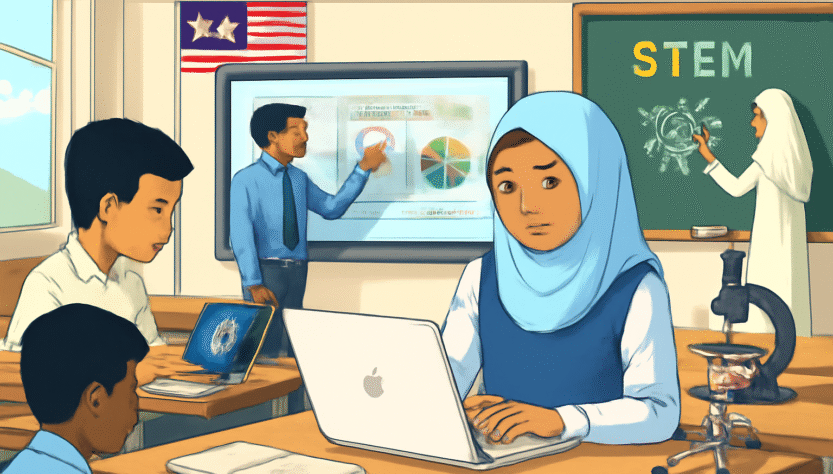
Malaysia’s education system is a vital component of its economic and social development. In recent years, the government has embarked on significant reforms aimed at enhancing the quality of education and addressing the evolving needs of a globalized, digital world. These reforms focus on technology integration, curriculum modernization, and improving accessibility to education across all regions.
Overview of Malaysia’s Education System
Malaysia’s education system is organized into several stages: preschool, primary, secondary, and higher education. While preschool is not mandatory, primary education is compulsory and free for all Malaysian children. After primary school, students proceed to secondary education, which is also free. Upon completion of secondary education, students sit for the Malaysian Certificate of Education (SPM), which determines their eligibility for higher education.
Technological Innovation in Malaysian Education
One of the most significant advancements in Malaysia’s education system has been the integration of technology. With the launch of the 1BestariNet initiative, the government has worked to provide high-speed internet to all schools in the country, ensuring that students in rural areas have the same access to online learning resources as those in urban centers.
Moreover, the Smart Schools program has introduced digital classrooms with interactive whiteboards, online resources, and virtual learning environments. These tools allow students to learn at their own pace and explore subjects in more depth, while also helping to develop skills needed in the digital economy.
Focus on STEM Education
Malaysia’s education reforms have also focused on expanding access to Science, Technology, Engineering, and Mathematics (STEM) education. The government has implemented a range of initiatives to improve STEM teaching and increase student engagement with these subjects. By fostering interest in STEM fields from an early age, Malaysia is preparing its students to contribute to the nation’s development in technology-driven industries.
Addressing Regional Disparities
A key challenge in Malaysia’s educational reform is addressing the disparities between urban and rural schools. While urban schools are generally well-equipped with the latest technologies, rural schools face barriers such as unreliable internet access and a lack of modern digital tools. To address these challenges, the government is investing in infrastructure to provide equitable access to education for all students, regardless of their geographic location.
Conclusion
Malaysia’s education system is undergoing a significant transformation aimed at equipping students with the skills needed to thrive in a global, digital economy. Through technological innovations, STEM education initiatives, and a focus on inclusivity, Malaysia is positioning itself to meet the challenges of the future. However, overcoming regional disparities in access to resources and ensuring that all students benefit from these advancements remains a key priority.