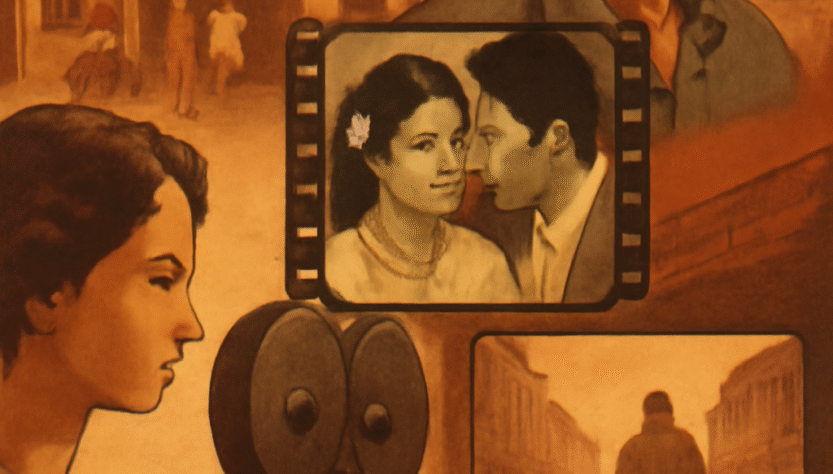
The Philippine film industry, one of the oldest in Asia, has undergone a remarkable transformation over the last century. Cinema first reached the Philippines in 1897, with the Lumière brothers’ Workers Leaving the Lumière Factory being screened to local audiences. However, it wasn’t until 1919 that the Philippines saw its first locally-produced film, Dalagang Bukid, which was directed by José Nepomuceno. This film is considered the beginning of the Filipino film industry, marking a shift from foreign influences to a more locally driven cinematic culture.
The 1930s saw the rise of major studios like LVN Pictures and Sampaguita Pictures, which played crucial roles in shaping the Filipino film industry. These studios produced melodramatic films that explored themes of family, love, and social issues, resonating with Filipino audiences. This era also marked the beginning of a shift from Hollywood influence to a more indigenous cinematic tradition that incorporated Filipino values, folklore, and societal challenges.
World War II halted the progress of the film industry in the Philippines. During the Japanese occupation, many studios were destroyed, and film production was severely disrupted. However, after the war, Philippine cinema experienced a resurgence. By the 1950s, the industry entered its “Golden Age,” characterized by a flourishing of local film production, high-profile stars, and box-office successes. This period saw the rise of iconic figures like Fernando Poe Jr. and the continued success of major studios, which helped cement Filipino cinema’s place in the cultural landscape.
The 1970s and 1980s, however, marked a shift in the landscape of Philippine cinema. Under President Ferdinand Marcos, martial law led to stringent censorship, but it also sparked the rise of filmmakers who were determined to challenge the political system. Directors such as Lino Brocka, Ishmael Bernal, and Mike de Leon used their films to critique the government and address issues like poverty, corruption, and social inequality. These filmmakers brought Filipino cinema to the global stage, gaining recognition for their ability to tackle difficult subjects and push boundaries.
In the late 1990s, the rise of independent filmmaking in the Philippines signaled a new direction for the industry. Filmmakers like Brillante Mendoza and Lav Diaz created works that explored complex social issues while experimenting with new cinematic techniques. Their films won accolades at prestigious international film festivals, solidifying the Philippines’ reputation as a hub for world-class cinema.
Today, the Philippine film industry continues to evolve. While commercial films remain a major force in the market, independent filmmakers are increasingly finding success both locally and internationally. With the advent of digital filmmaking technology and the growth of online platforms, Filipino filmmakers are better equipped than ever to share their stories with a global audience. The future of Philippine cinema looks promising, as new voices continue to emerge and challenge the conventions of traditional filmmaking.