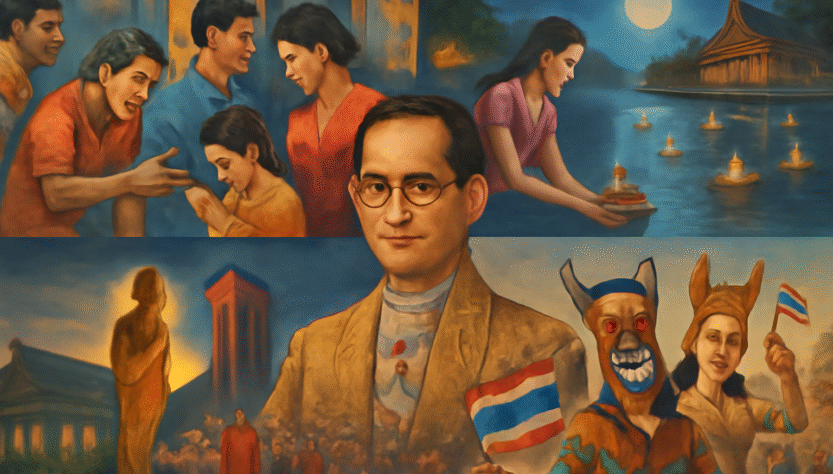
Thailand is home to a variety of festivals that reflect the country’s rich cultural diversity and spiritual depth. These celebrations are an integral part of Thai society, bringing together people of all ages to participate in meaningful rituals, joyous parades, and community bonding. Whether celebrating the start of the new year, paying respects to Buddhist traditions, or honoring the monarchy, Thailand’s festivals offer a vivid glimpse into the heart of its culture.
Songkran, the Thai New Year, is the most famous festival in Thailand, celebrated every year in April. The highlight of Songkran is the water fight, where people take to the streets with water pistols to douse each other in playful fun. While the water fights have become the festival’s central feature, Songkran also holds deep spiritual significance. Traditionally, it is a time for Thais to visit temples, pour water over Buddha statues for blessings, and reconnect with family members. The celebration is an exciting mix of joy, spirituality, and cultural pride.
Another important festival is Loy Krathong, held on the full moon of the 12th month in the Thai lunar calendar. During this serene celebration, people craft small boats, known as krathongs, and release them into rivers and lakes. The krathongs, decorated with candles and flowers, symbolize the letting go of past mistakes and the hope for a better future. The sight of the illuminated krathongs floating peacefully on the water is one of the most picturesque moments in Thai culture.
For Buddhists, Visakha Bucha is a significant day, observed on the full moon in May. It commemorates the birth, enlightenment, and death of Lord Buddha. On this day, Thai Buddhists gather at temples for meditation, prayer, and candlelit processions. It’s a time to reflect on the teachings of Buddhism and practice the values of mindfulness, compassion, and non-violence.
In the northeastern region of Thailand, Phi Ta Khon stands out as one of the most unique festivals. This Ghost Festival, held in Loei province, features participants wearing colorful ghost masks and costumes while parading through the streets. The festival is rooted in a local legend about the spirits of ancestors returning to the living. Phi Ta Khon is an exciting, fun-filled celebration that combines traditional beliefs with a sense of humor and community spirit.
Lastly, King Bhumibol’s Birthday on December 5th is a solemn yet celebratory day that honors the late King Bhumibol Adulyadej. On this day, the Thai people express their admiration for the king’s long reign and contributions to the country through public ceremonies, royal tributes, and cultural performances. It’s a day of unity and respect, where the nation comes together to remember the king’s legacy.
Thailand’s festivals are a reflection of the country’s diverse traditions, spiritual beliefs, and sense of unity. Whether it’s the joyful water fights of Songkran or the solemn meditation of Visakha Bucha, each festival offers a meaningful way to connect with Thailand’s rich cultural heritage.