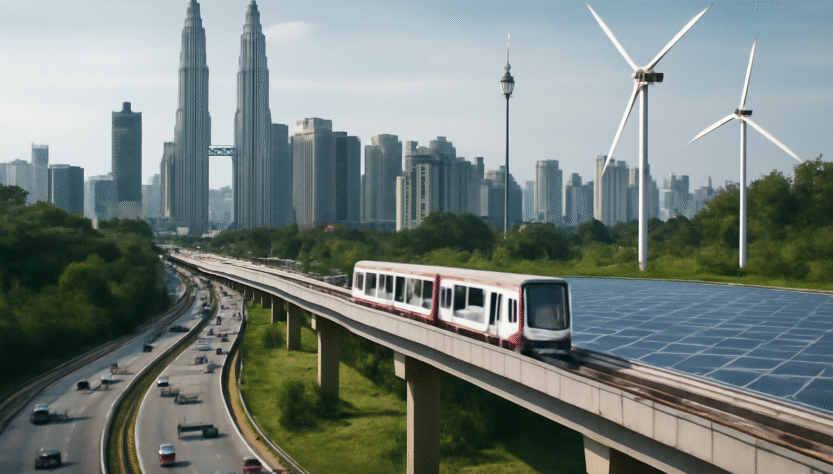
As Malaysia continues to expand, its infrastructure development remains at the heart of the nation’s economic strategy. This article explores how infrastructure initiatives are transforming the country, creating a more interconnected nation while supporting growth and sustainability.
Strengthening Connectivity Between Regions
Infrastructure development in Malaysia has dramatically improved connectivity across the country. Projects like the Pan-Borneo Highway are helping to connect the Malaysian states of Sabah and Sarawak, making it easier for people and goods to move between the regions. This improved connectivity promotes social and economic integration across Malaysia’s vast archipelago.
In addition to road and rail networks, Malaysia’s airports and seaports are integral to the country’s global connectivity. Modernization of airports such as KLIA and regional ports has bolstered Malaysia’s competitive edge in international trade, further positioning the country as a key player in the ASEAN region.
Economic Benefits of Infrastructure Investment
Infrastructure projects are crucial drivers of economic development in Malaysia. By improving access to markets and creating more efficient logistics networks, infrastructure investments foster business growth and attract foreign investment. This, in turn, helps diversify the economy and generate employment opportunities.
The development of digital infrastructure is another key component of Malaysia’s growth. By expanding broadband access and introducing cutting-edge technologies like 5G, the nation is well-positioned to harness the benefits of the digital economy. These advancements create new opportunities for businesses and consumers alike.
Fostering Sustainable Development
Sustainability has become an increasingly important aspect of infrastructure planning in Malaysia. The government has introduced initiatives aimed at reducing carbon emissions and promoting green energy, such as the development of solar power plants and the expansion of electric vehicle infrastructure. These initiatives are vital in ensuring that the country’s infrastructure development aligns with global sustainability goals.