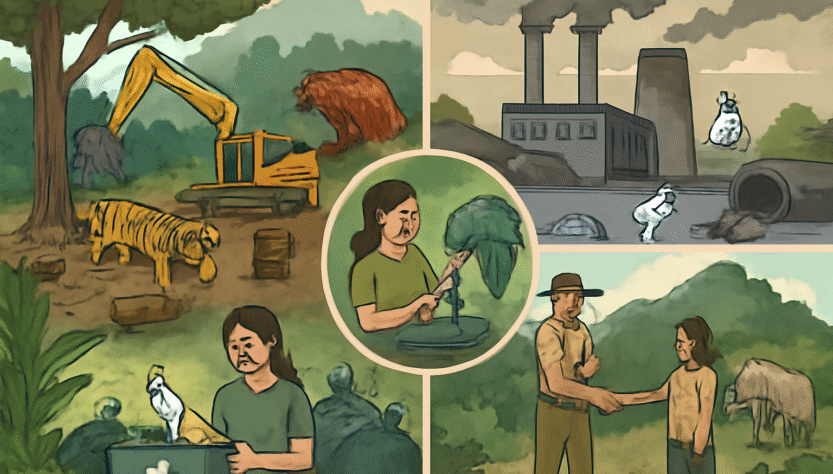
Malaysia, home to some of the world’s most biodiverse rainforests and marine ecosystems, is facing a number of environmental challenges. Deforestation, pollution, and climate change are all contributing to the degradation of Malaysia’s natural landscapes. However, the country is taking significant steps to address these issues through various conservation programs and sustainable development policies.
Deforestation: A Major Environmental Threat
Deforestation is one of the most pressing environmental concerns in Malaysia. Large swathes of rainforest are being cleared to make way for palm oil plantations, timber extraction, and urban development. This deforestation not only threatens biodiversity but also contributes to global climate change, as forests act as carbon sinks.
To combat deforestation, Malaysia has made efforts to promote sustainable palm oil production through certification schemes like the RSPO. Additionally, national parks and wildlife sanctuaries have been established to protect key habitats. Malaysia is also involved in reforestation efforts to restore degraded lands and promote biodiversity conservation.
Pollution: The Growing Crisis
Malaysia faces significant pollution challenges, particularly in urban areas where industrial emissions and waste management are major issues. Air pollution, caused by vehicle emissions and industrial activities, is contributing to poor air quality in cities. Meanwhile, water pollution from agricultural runoff, plastic waste, and untreated sewage is contaminating rivers and coastal areas.
In response to pollution, Malaysia has implemented policies to reduce plastic waste, regulate industrial discharges, and improve waste management systems. Public awareness campaigns are also encouraging citizens to reduce their carbon footprint and adopt more sustainable practices.
Conservation Programs and Policies
In an effort to protect its biodiversity, Malaysia has established several conservation programs and initiatives. National parks like Taman Negara, Gunung Mulu, and Kinabalu Park are crucial for preserving Malaysia’s rich natural heritage. These areas provide safe habitats for endangered species and offer opportunities for eco-tourism.
The government is also focusing on the conservation of endangered species such as the Malayan tiger, orangutans, and the Sumatran rhinoceros. Programs to protect these species involve habitat restoration, anti-poaching efforts, and international collaboration.
Sustainable Development and the Role of Eco-Tourism
Sustainable development is a key aspect of Malaysia’s conservation strategy. By promoting responsible land-use practices, such as sustainable palm oil production and eco-friendly farming, Malaysia is working towards minimizing the environmental impact of agriculture and resource extraction.
Eco-tourism has become an essential tool for conservation. It helps to generate revenue for protected areas while raising awareness about the importance of biodiversity. Local communities benefit from eco-tourism initiatives, which provide income and foster a deeper commitment to conservation.
Conclusion
Although Malaysia faces significant environmental challenges, it is making progress through effective conservation efforts and sustainable practices. By focusing on protecting its natural resources and promoting environmental awareness, Malaysia is on the path to a more sustainable future.