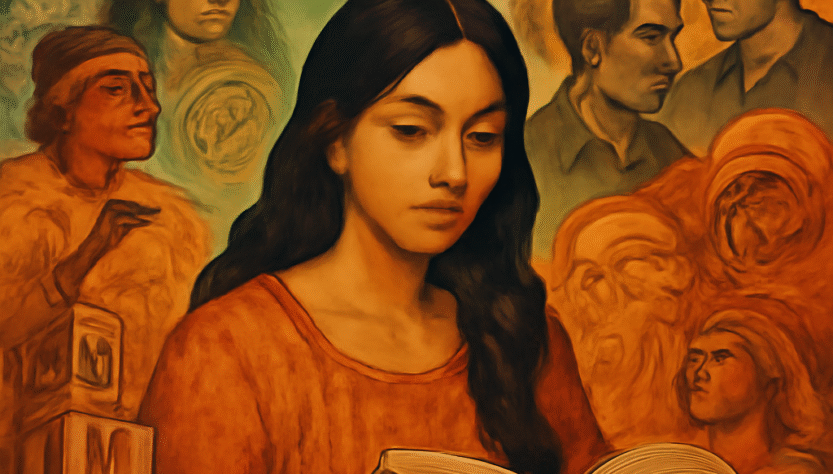
The language and literature of the Philippines have always played a significant role in the country’s cultural and national identity. Literature provides a window into the lives of the Filipino people, reflecting their experiences, struggles, and aspirations. From pre-colonial oral traditions to the diverse literary works produced in modern times, Filipino literature continues to evolve and shape the nation’s sense of self. The relationship between language and literature in the Philippines is essential in understanding the complexities of its identity and the forces that have shaped its development over centuries.
The Philippines is home to over 170 languages, each representing different regions and cultural groups. Filipino, a standardized form of Tagalog, was established as the national language to promote unity across the country’s diverse linguistic landscape. However, many regional languages such as Cebuano, Ilocano, and Hiligaynon continue to be used in literature, helping preserve the uniqueness of each region’s culture. Filipino literature, therefore, reflects the complexities of the nation’s linguistic diversity and the people’s commitment to preserving their cultural heritage.
Before Spanish colonization in the 16th century, the Philippines had a rich tradition of oral literature. This literature included folktales, epics, riddles, and songs, which were passed down through generations. These stories often conveyed values such as respect for nature, bravery, and community. The Biag ni Lam-ang from the Ilocos region and the Hinilawod from the Visayas are two prominent examples of early epic literature that offer insight into the lives and worldview of pre-colonial Filipinos.
The Spanish colonial period introduced major changes to Filipino literature, as Spanish became the language of the colonizers. Many Filipino writers during this period began to compose works in Spanish, often exploring religious themes. However, the most significant literary works of this era were those that critiqued Spanish colonialism. José Rizal’s Noli Me Tangere and El Filibusterismo exposed the corruption and abuses of the Spanish regime, inspiring Filipinos to seek independence.
The American colonial era in the early 20th century introduced English as a dominant language in education and governance. This shift allowed Filipino writers to experiment with new forms of expression. Writers such as Nick Joaquin, F. Sionil José, and Carlos Bulosan explored Filipino identity, the challenges of migration, and the interplay between Filipino traditions and Western culture. Their works are crucial in understanding the evolving Filipino identity during this period.
In modern times, Philippine literature has become an important tool for addressing contemporary social issues. Writers today tackle subjects such as poverty, globalization, and the search for self-identity. Filipino authors continue to explore the complexities of their cultural heritage while grappling with the challenges of a rapidly changing world. Writers like Lourd de Veyra and Mia Alvar represent a new wave of voices that address the struggles and aspirations of the Filipino people in the modern era.
In conclusion, language and literature in the Philippines are fundamental to understanding the nation’s identity. They provide a framework for reflecting on the past, grappling with present challenges, and envisioning the future. Through literature, Filipinos continue to define who they are, celebrate their heritage, and confront the issues that shape their society. Philippine literature remains a dynamic force in the cultural landscape, continuing to shape the national conversation.