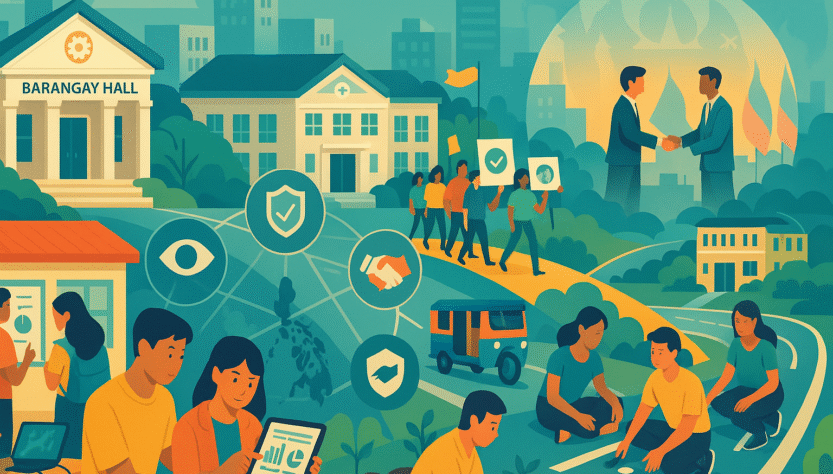
The Philippines’ geography is often framed as an obstacle—scattered islands, costly logistics, uneven access. With a network mindset, it becomes an asset: multiple regional hubs specializing in different strengths, connected by digital rails and smarter transport. For Filipino youth, this reframing opens pathways beyond the crowded corridor of Metro Manila.
Regional industries offer differentiated niches. In the north, agri-value chains can move beyond raw produce to processing, cold storage, and branded exports. In the Visayas, tourism linked to heritage conservation and marine stewardship creates jobs that reward local knowledge. Mindanao’s potential spans cacao, coffee, and renewable energy. Youth who learn supply-chain literacy—quality control, inventory, packaging compliance—can capture more value for their communities.
Education must match these arcs. State universities and TESDA centers can co-design curricula with local chambers: food safety and HACCP for processing towns, dive safety and reef monitoring in coastal areas, drone mapping for mountain farming. Apprenticeships tied to regional clusters prevent brain drain by offering meaningful work at home. Exchange programs can circulate students across islands to cross-pollinate ideas.
Connectivity is the backbone. Affordable inter-island ferries, safer bus routes, and reliable cargo schedules reduce the penalty of distance. But digital links matter as much: stable broadband, community tech hubs, and shared fabrication labs let youth prototype products, manage e-commerce, and join remote teams. Public procurement can prioritize local SMEs, giving young entrepreneurs predictable demand and experience with standards.
Culture and identity underpin development. Regional festivals, crafts, and cuisines are not mere attractions; they are intellectual property and brand foundations. Youth-led cooperatives can organize artisans, ensure fair pricing, and market goods with traceability. Storytelling—short films, podcasts, and photo essays—builds recognition and demand. Collaboration with museums and cultural agencies protects heritage while encouraging innovation.
Resilience planning must be baked in. Typhoons, earthquakes, and droughts can shut down fragile supply chains. Distributed warehouses, microgrids with solar and storage, and nature-based defenses like mangrove belts keep operations running and safeguard jobs. Youth trained in risk assessment and emergency logistics become community anchors in crisis.
A regional strategy does not deny migration; it creates alternatives. When every island has a clear value proposition and reliable infrastructure, young Filipinos can choose among good options—leave, return, or never depart—without sacrificing aspiration. The archipelago, seen as a network of complementary strengths, can empower youth to build futures rooted in place and connected to the world.