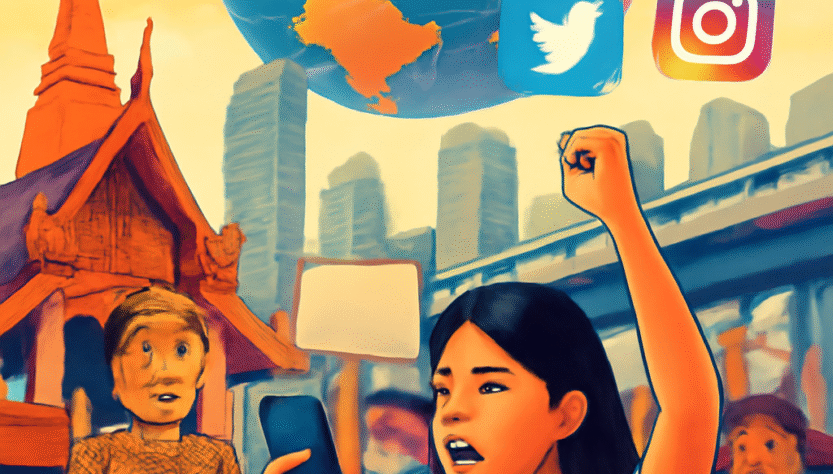
Over the past several decades, Thailand has been experiencing significant shifts in its social structure, largely due to the impact of globalization and social media. These factors have transformed how Thai people engage with one another, consume products, and interact with global events. As Thailand becomes more integrated into the global community, the interplay between traditional Thai values and modern influences has led to both opportunities and challenges.
Globalization has greatly influenced Thailand’s economic landscape. The country has become an attractive destination for foreign investment and tourism, which has bolstered industries such as hospitality, retail, and manufacturing. As a result, cities like Bangkok have experienced rapid growth, attracting multinational companies and foreign brands. However, this economic boom has also created inequality, as rural areas are often left behind in terms of access to these opportunities.
Culturally, globalization has brought about significant changes in Thai society. Young people, especially in urban areas, have increasingly adopted Western styles of fashion, entertainment, and social norms. The media, particularly Hollywood movies and Western television shows, have played a role in shaping the tastes and preferences of younger generations. While this has led to greater cultural diversity and innovation, there is concern about the loss of traditional Thai customs and practices, particularly those associated with family, religion, and social roles.
Social media has further accelerated these cultural and social changes. Platforms like Facebook, Instagram, and Twitter have become central to how Thai people communicate and engage with one another. Social media has provided an outlet for self-expression, allowing individuals to share their personal lives, political opinions, and creative work with a global audience. It has also democratized information, making it easier for people to access news, learn about global issues, and participate in discussions.
Social media has had a particularly significant impact on political activism in Thailand. In recent years, social media platforms have been used to organize protests, spread political messages, and challenge government policies. The 2020 student-led protests, which called for democratic reforms, were largely driven by social media. These platforms allowed protestors to mobilize quickly, share their messages, and gain international attention.
Despite the positive aspects of social media, there are concerns about its role in spreading misinformation. False news stories and rumors can spread rapidly, leading to confusion and division among the public. During times of political unrest, misinformation can exacerbate tensions and create further instability. The Thai government has responded to these concerns by implementing regulations to monitor and control online content, although these measures have sparked debates about the balance between security and freedom of speech.
As Thailand continues to experience the effects of globalization and social media, the country is at a crossroads. These forces have brought about economic growth, social change, and increased political participation. However, they have also raised important questions about cultural preservation, political stability, and information integrity. How Thailand navigates these challenges will shape its future as a modern, globally connected society.