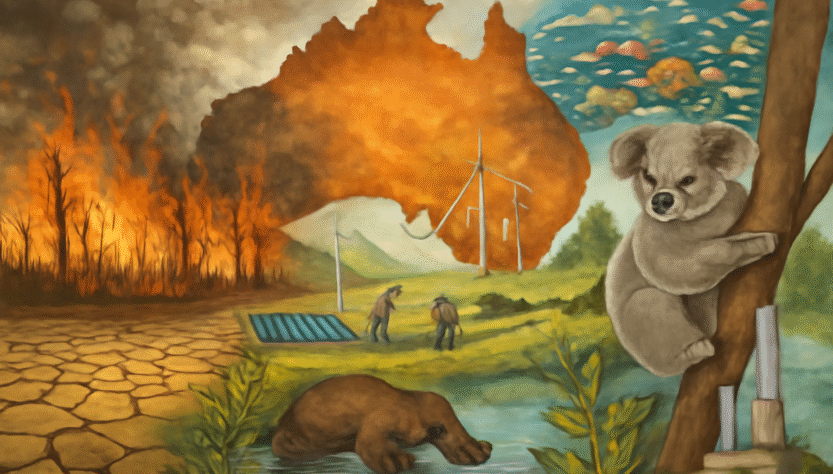
Australia is facing a range of environmental challenges driven by climate change, which are putting immense pressure on its ecosystems, wildlife, and communities. From devastating bushfires to water shortages and the deterioration of coral reefs, climate change is exacerbating existing environmental issues and creating new ones. As a result, urgent conservation efforts are needed to combat these changes and protect Australia’s natural heritage.
One of the most alarming effects of climate change in Australia is the rise in bushfire intensity. Bushfires have long been a part of the Australian landscape, but their frequency and severity have increased dramatically in recent years due to hotter, drier conditions caused by climate change. The 2019–2020 bushfires, which burned millions of hectares and killed billions of animals, demonstrated the destructive power of these fires. The impacts on biodiversity were particularly severe, with entire ecosystems being destroyed and many species pushed to the brink of extinction.
Droughts have also become more frequent and severe, especially in agricultural regions where water scarcity is a major concern. Australia’s farmers, who rely heavily on irrigation, are increasingly faced with the challenge of reduced water availability. The lack of rainfall is also leading to increased soil salinity, further reducing the land’s ability to support agriculture. These changes have significant implications for food production, water security, and the rural economy.
The Great Barrier Reef, a UNESCO World Heritage site, is another Australian icon facing significant threats from climate change. Rising sea temperatures have caused widespread coral bleaching, which weakens the reef and threatens its ability to support marine life. Coral reefs are incredibly sensitive to temperature changes, and the ongoing destruction of the Great Barrier Reef has long-term implications for marine biodiversity and the industries that rely on the reef, such as tourism and fishing.
In response to these environmental challenges, Australia has committed to international climate action frameworks such as the Paris Agreement, aiming to limit global temperature rise and reduce greenhouse gas emissions. The country is transitioning toward renewable energy sources, including wind and solar power, to decrease its reliance on fossil fuels and mitigate the impacts of climate change.
Conservation efforts are also a priority, with a focus on protecting endangered species and restoring damaged ecosystems. National parks, nature reserves, and conservation areas are being expanded to preserve biodiversity. Additionally, Indigenous land management practices, such as controlled burns, are being incorporated into modern fire management strategies to reduce the risk of catastrophic bushfires.
Australia’s environmental future depends on its ability to adapt to a changing climate, reduce emissions, and conserve its unique natural heritage. The country’s efforts to address these challenges through policy changes, technological innovations, and community engagement will be critical in shaping a sustainable future.