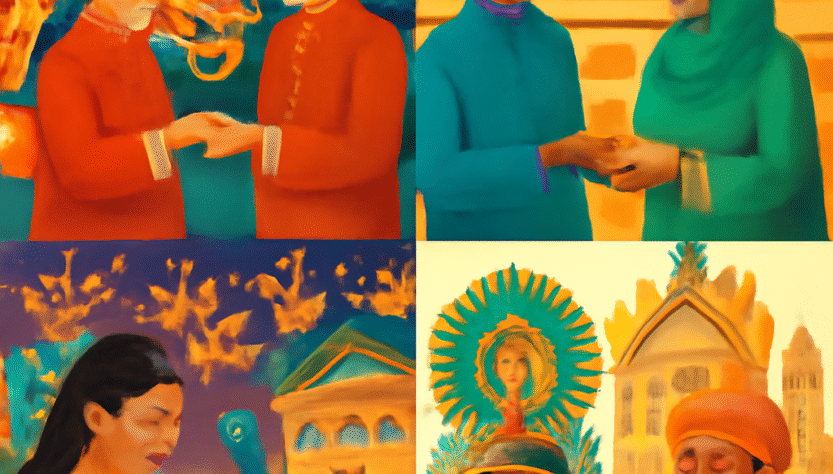
Singapore, often regarded as a melting pot of cultures, offers a unique glimpse into the way different communities express their cultural identity through festivals. The island’s many celebrations serve as a testament to the nation’s respect for diversity, ensuring that people from all walks of life have the opportunity to preserve their traditions while fostering a collective sense of community. Here, we explore some of Singapore’s most significant festivals and the role they play in the country’s multicultural fabric.
Chinese New Year, or Lunar New Year, is perhaps the most celebrated festival in Singapore. During this time, Singapore’s Chinese community engages in various traditions meant to usher in prosperity and good fortune for the coming year. Families typically clean their homes, pay off debts, and decorate with red lanterns, as the color symbolizes happiness and luck. Festive foods like bak kwa (barbecued pork) and pineapple tarts are enjoyed, and the streets of Chinatown come alive with colorful lights, lion dances, and bustling markets. The highlight of the festival is the Chingay Parade, a vibrant display of multicultural performances and extravagant floats.
For Muslims, Hari Raya Puasa is a joyous occasion marking the end of Ramadan. After a month of fasting, the Malay community comes together for prayers at mosques and a festive meal with family and friends. Geylang Serai, a cultural hub in Singapore, is transformed with intricate lights and decorations, while the bustling Ramadan Bazaar offers an array of traditional foods like kueh (sweet cakes), rendang, and roti john. The essence of Hari Raya is one of gratitude, unity, and community.
In the Hindu community, Deepavali is one of the most significant celebrations, commemorating the triumph of light over darkness. The festival is a time for families to gather, offer prayers, and share delicious sweets and snacks. The streets of Little India shine with intricate light displays, and the air is filled with the scent of incense and the sound of prayers. Traditional foods like laddu, barfi, and mango lassi are enjoyed, making Deepavali not just a spiritual observance but a time for festive indulgence.
Vaisakhi, celebrated by the Sikh community, marks the harvest season and holds deep significance in the history of Sikhism as it commemorates the formation of the Khalsa in 1699. Sikhs across Singapore celebrate Vaisakhi with prayers at Gurdwaras and by distributing langar – a community meal served to all, regardless of background. Vaisakhi promotes the ideals of seva (selfless service), equality, and community, values that are central to Sikh philosophy.
Lastly, Thaipusam is a captivating festival that is observed by Hindus, dedicated to Lord Murugan. This festival is unique for its intense physical rituals, where devotees carry kavadis (decorated structures) or pierce their bodies with hooks as acts of penance and devotion. The procession from the Sri Srinivasa Perumal Temple to the Sri Thendayuthapani Temple in Singapore is a striking sight, showcasing the spiritual intensity and deep faith of the participants.
Singapore’s festivals are not only about celebrating traditions; they also play a pivotal role in bringing together people from all walks of life. These vibrant celebrations foster an atmosphere of mutual respect, learning, and appreciation, helping to maintain the nation’s status as a beacon of multiculturalism and coexistence. Through these cultural festivities, Singapore’s citizens continue to celebrate their rich heritage while embracing the diversity that makes the country unique.