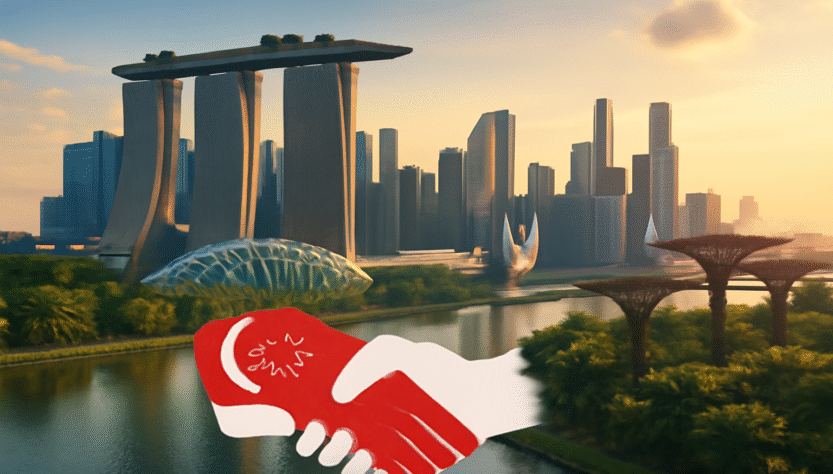
Singapore is often seen as an exemplary model of success on the world stage. Despite being a small island nation, it has become one of the most influential and admired countries globally. Its rise from a port city to a global economic powerhouse is often cited as one of the most remarkable transformations in modern history. The city-state’s reputation is shaped by several key factors, from its impressive economic growth to its governance model and multicultural society.
One of the most prominent aspects of Singapore’s global reputation is its strong economy. The country’s transformation from a modest colonial outpost to a financial and trade hub has captured the attention of the world. Singapore’s open-market economy, coupled with a transparent legal system and low corporate taxes, has attracted businesses and investors from across the globe. As one of the most developed nations in terms of GDP per capita, Singapore’s prosperity is a source of inspiration for many developing countries seeking to replicate its success.
Urban innovation is another aspect that defines Singapore’s global image. The city-state has become a symbol of smart urban planning and sustainability. Singapore’s focus on integrating green spaces, energy-efficient buildings, and smart technologies has allowed it to maintain a high quality of life while promoting environmental conservation. With initiatives like the Smart Nation program, Singapore is setting the standard for what future cities could look like, blending technology with nature in innovative ways.
Politically, Singapore is known for its stability, which has played a significant role in its success. The People’s Action Party (PAP) has maintained a firm grip on power since the country’s independence, ensuring that policies are consistent and long-term. While Singapore’s political system is often admired for its efficiency and results-driven approach, there are concerns about limited political freedoms. Critics argue that the lack of opposition and the tight control over public discourse hinder the development of a more democratic society. Despite these criticisms, the country’s political system is seen as effective in maintaining order and promoting national development.
Another element that shapes Singapore’s global image is its ability to create a harmonious multicultural society. The country is home to a variety of ethnic groups, including Chinese, Malays, Indians, and others. Singapore’s commitment to racial and religious harmony is evident in its policies promoting social integration and equality. The country’s success in managing its diversity has made it a model for other nations grappling with issues related to race and religion. Internationally, Singapore is seen as a beacon of tolerance and coexistence in an increasingly fragmented world.
On the diplomatic front, Singapore is widely respected for its neutral stance and active participation in international organizations. Its role as a mediator in regional conflicts and its commitment to free trade have earned it the reputation of being a diplomatic and pragmatic global player. Singapore’s ability to maintain strong relationships with both Western and Eastern powers further enhances its standing on the international stage.
In essence, Singapore’s global reputation is a testament to its economic success, political stability, urban innovation, and multicultural integration. While challenges exist, particularly regarding political freedoms, Singapore remains a global success story, admired by nations around the world for its ability to thrive despite its small size.