A Silent Pre-Dawn Operation
In September 2026, a joint team from BFAR Region 5, the Albay Police, and the Coast Guard raided two fishing boats in the municipal waters of Libon and Oas, Albay. The result: 20 people arrested, two boats along with nets and equipment seized with a total value of PHP 4 million. The suspects were charged under several provisions of Republic Act 10654, including fishing without a license and the use of active gear in municipal waters.
Brigadier General Randy Glenn Silvio, Regional Director of the Bicol Police, stated that law enforcement at sea is not merely a fisheries matter. “PRO-5’s commitment to maintaining order and public safety covers every form of legal violation, including those that threaten marine resources and the livelihoods of our communities,” he said.
Why Illegal Fishing Is Hard to Eradicate
The Albay case is not an isolated one. Throughout 2026, the Philippine Maritime Police recorded dozens of similar operations across various regions, from Cavite to Sulu. The recurring pattern: commercial vessels operating in waters that should be reserved for small-scale fishers, using destructive gear, or operating without valid permits.
Senator Kiko Pangilinan, in his statement on the BFAR 2026 budget, highlighted the root of the problem. “Fish stocks are declining and seafood prices are rising due to illegal fishing,” he said. He noted that the budget for monitoring, control, and surveillance (MCS) rose to PHP 1.41 billion in 2026, from PHP 1.08 billion previously. The increase signals an acknowledgment that maritime law enforcement has long been underfunded.
The Impact on Legal Fishers
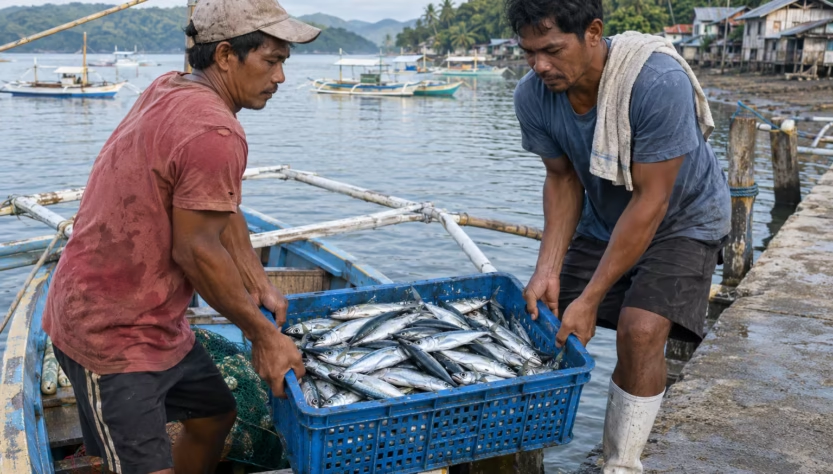
Those most harmed by illegal fishing are fishers who follow the rules. When large vessels catch fish in municipal waters with non-selective gear, local stocks are depleted. Small fishers must go farther, spend more on fuel, and return with smaller catches. Operating costs rise, income falls. In the long run, this practice pushes legal fishers toward poverty.
Consistent law enforcement, as carried out in Albay, signals that the state is present. But without sustained surveillance and community participation, sporadic operations will not be enough. Bantay Dagat and local fisher groups need to be empowered as eyes and ears at sea, because they are the first to feel the impact of illegal fishing.