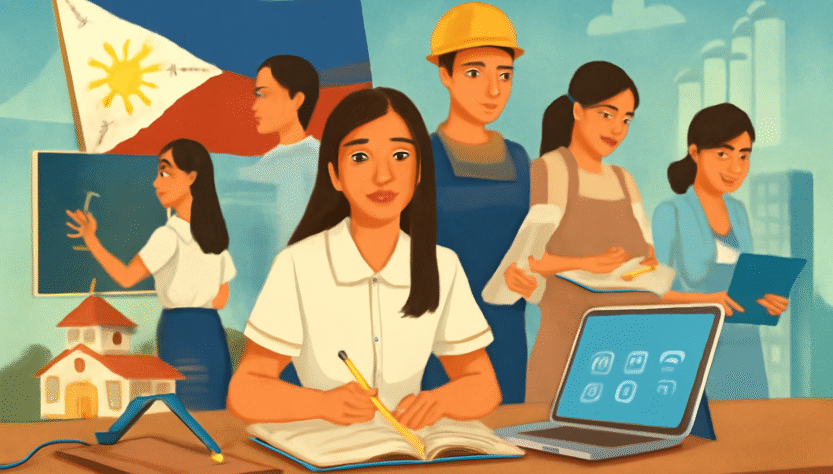
The future of the Philippines depends on the education and skills of its youth. As the country looks to become more competitive on the global stage, the Philippine education system has been undergoing significant transformations aimed at equipping students with the knowledge and skills necessary to succeed in the workforce of tomorrow.
One of the key reforms in the education system is the K-12 program, introduced in 2013. This reform extended the basic education cycle from 10 years to 12 years, bringing the Philippines in line with international standards. Senior high school, which was added to the curriculum, gives students the flexibility to choose between academic and vocational tracks, ensuring that they are well-prepared for either higher education or immediate employment.
The academic track focuses on preparing students for college, with a strong emphasis on subjects like mathematics, science, and the humanities. Meanwhile, the technical-vocational track provides students with hands-on training in fields such as engineering, health services, and hospitality management. By providing students with multiple pathways to success, the K-12 system aims to meet the diverse needs of Filipino students and the evolving demands of the labor market.
Technology has also become an integral part of the education system in the Philippines. As the digital world continues to transform industries, schools are incorporating digital tools and online resources to prepare students for the future. These tools not only enhance learning but also help students develop important skills, such as digital literacy, communication, and problem-solving, which are essential for success in the modern job market.
However, challenges remain in addressing inequalities in access to quality education, particularly in rural and remote areas. The government has made significant strides in improving education infrastructure and providing scholarships, but disparities in resources still exist. Efforts to address these gaps are ongoing, with a focus on providing equal educational opportunities for all students across the country.
By continuing to invest in education and skills development, the Philippines is creating a generation of skilled, competitive professionals who are ready to face the challenges of a globalized economy. With a focus on academic excellence, vocational training, and technological integration, the country is paving the way for a brighter, more competitive future.