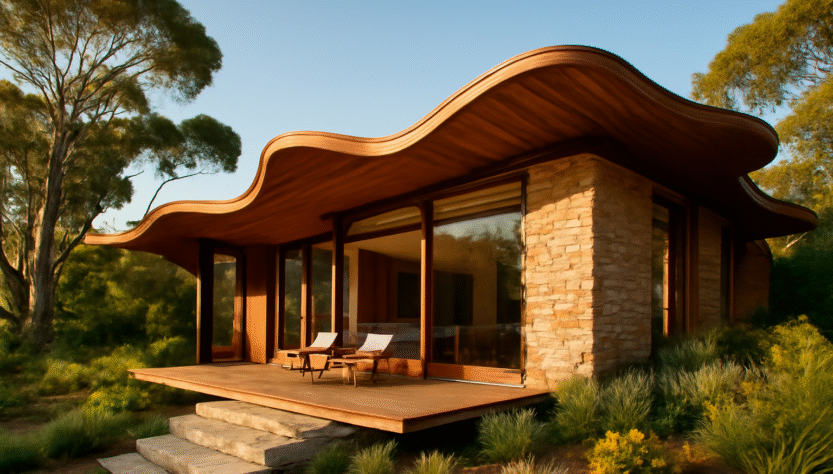
Australian architecture has long been a blend of innovative design and an appreciation for the natural surroundings. In recent years, the focus has shifted toward sustainability, with architects aiming to design buildings that are energy-efficient, environmentally friendly, and integrated with the natural landscape. This approach reflects both modern architectural principles and a deep respect for the land, creating homes and public spaces that are in harmony with nature.
Natural materials play a pivotal role in Australian architecture. Timber, stone, and glass are commonly used to create structures that are not only beautiful but also environmentally responsible. These materials help buildings blend with their surroundings, ensuring that the architecture feels like a natural extension of the landscape. Glass, in particular, is used extensively to maximize natural light, provide sweeping views, and create a connection between interior spaces and the outdoors.
Sustainability is a primary concern for Australian architects. As the world becomes more focused on reducing its environmental impact, the role of architecture in this process becomes increasingly important. Many architects are embracing passive design, which uses natural climate forces to regulate indoor temperatures. By orienting buildings to capture sunlight and using materials with high thermal mass, architects can reduce the need for artificial heating and cooling, making buildings more energy-efficient and comfortable.
Additionally, sustainable technologies such as solar panels and rainwater harvesting systems are increasingly integrated into Australian homes. These systems reduce the environmental impact of buildings by providing renewable energy sources and conserving water. By incorporating these technologies, architects are helping to ensure that the built environment contributes positively to the environment rather than depleting it.
Outdoor living is a key feature of Australian homes. With a climate that encourages people to spend time outdoors, many homes are designed with expansive patios, courtyards, and verandas that extend the living space and promote a connection with nature. These outdoor spaces are essential for the Australian lifestyle, where socializing, relaxing, and entertaining often take place outside, making them an important component of the home’s design.
Indigenous culture also influences modern Australian architecture. Many architects draw on the art, symbols, and traditions of Australia’s Aboriginal peoples to create buildings that respect the country’s cultural heritage. This incorporation of indigenous elements into design helps to create structures that are not only visually compelling but also reflect a deep connection to the land and its history.
In coastal regions, Australian homes are designed to maximize the natural beauty of the coastline. These homes often feature open floor plans, large windows, and outdoor living areas that provide unobstructed views of the ocean. Built with materials that can withstand the harsh coastal environment, these homes are both durable and beautiful, creating a seamless integration with the landscape.
Australian architecture continues to evolve as architects find new ways to create homes and public buildings that are both modern and sustainable. By combining innovative design with a respect for nature, they are shaping the future of architecture in a way that celebrates both the environment and the people who inhabit it.