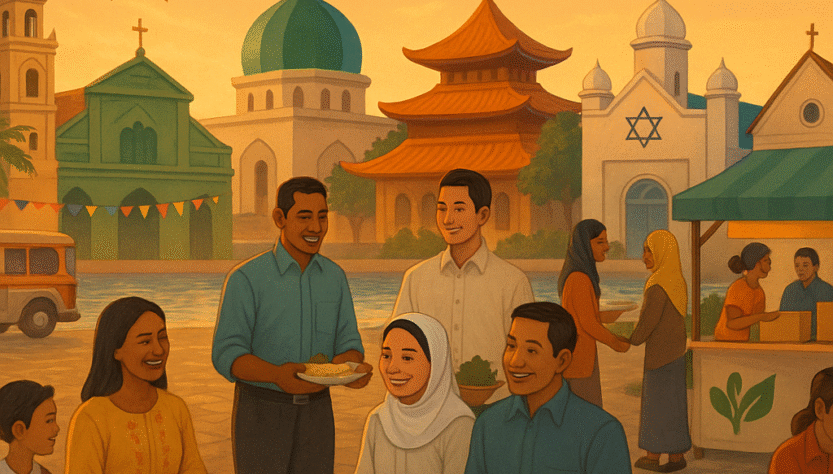
When people talk about interfaith dialogue in the Philippines, they often picture podiums and photo ops. The reality is far more granular: text threads between priests and imams before an election, pastors and youth leaders mapping evacuation routes before typhoon season, and women’s groups comparing notes on how to keep kitchens halal and disaster‑ready. These practical routines emerged from decades of conflict and disaster, and they now anchor a culture of cooperation.
Mindanao’s experience is instructive. Years of negotiation between the state and Moro movements created channels that civic leaders later repurposed for daily problem‑solving. The habit of issuing joint statements against violence evolved into protocols for safe passage of civilians, rumor control on social media, and co‑branded voter education. Clergy serve on local peace and order councils; school heads coordinate exam schedules with Friday prayers; and barangay captains consult elders and ulama before drafting ordinances that might touch on dress, diet, or festival logistics.
Disaster response put these networks to the test. Typhoons, earthquakes, and volcanic ashfall have repeatedly displaced communities. Religious organizations bring logistics capacity—storage rooms, volunteer rosters, kitchens, and vans—and a moral mandate that inspires donors. Catholic Caritas networks, Protestant relief services, Islamic charities, and Buddhist foundations divide labor, reducing duplication. Shared spreadsheets, WhatsApp groups, and radio bulletins allow real‑time updates on needs and gaps. Psychosocial teams trained by universities provide trauma care, sensitive to varied religious languages of mourning and hope.
Cooperation extends to development initiatives that outlast emergencies. Interfaith councils sponsor livelihoods programs for widows, youth scholarship funds, and tree‑planting along watersheds. Cultural festivals allocate budget for halal food stalls and set aside quiet spaces for prayer. Theater troupes stage plays about mixed‑faith families; museums curate exhibits that honor textiles, calligraphy, and icons side by side. These efforts build an everyday lexicon of respect that blunts the edge of future conflicts.
Tensions still flare—over perceived slights to sacred symbols, polarizing campaign rhetoric, or online disinformation. The response has become more agile: fact‑checking collaborations, rapid joint statements, and hotline numbers that connect journalists to religious leaders before stories go live. Over time, this choreography has shifted expectations. For many Filipinos, interfaith cooperation is no longer exceptional; it is the default setting for solving shared problems in a risky climate.