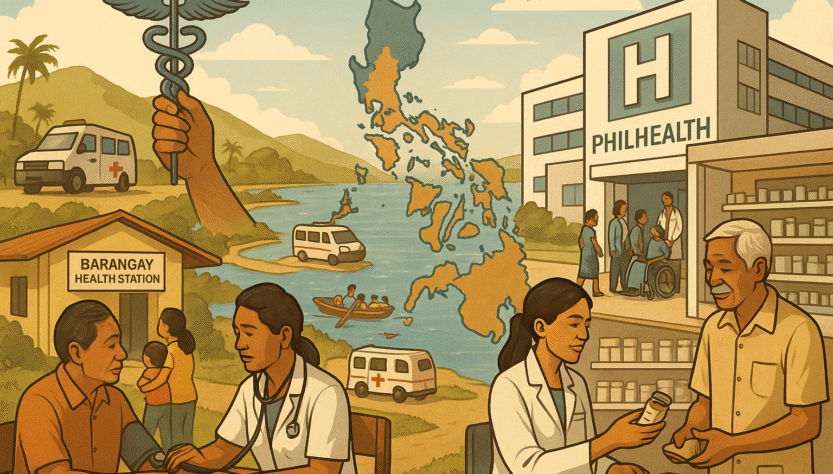
As infectious disease programs mature, noncommunicable diseases (NCDs) and mental health conditions dominate everyday clinical workloads in the Philippines. Hypertension, diabetes, chronic lung disease, cancers, and depression account for rising consultations, hospitalizations, and lost productivity. The system’s challenge is to detect early, manage consistently, and prevent avoidable complications—especially among low-income and remote populations.
Primary care must be the control tower. Routine risk assessments—blood pressure checks, glucose testing, smoking status, body mass index—should be embedded in every adult visit. Team-based care that includes nurses, nutritionists, pharmacists, and barangay health workers enables counseling, medication titration, and adherence monitoring. When panels of patients are tracked with registries and dashboards, facilities can see who is controlled, who is overdue, and where to focus outreach.
Medicines define outcomes. Affordable access to first-line antihypertensives, statins, metformin, and inhaled therapies is non-negotiable. Stockouts erode control and trust. Aligning PhilHealth benefits, local procurement, and national formulary choices with guideline-based care keeps shelves and prescriptions in sync. Longer refill intervals for stable patients reduce clinic congestion and improve adherence.
Diagnostics and referrals must be timely. For suspected cancers, standardized “fast tracks” for imaging and biopsy shorten time-to-diagnosis. Tele-oncology and shared care models let specialists guide provincial teams on chemotherapy side effect management and palliative care. For diabetes, regular HbA1c monitoring and eye and kidney screening prevent catastrophic complications when integrated into annual plans.
Mental health deserves equal footing. Depression and anxiety often accompany chronic illness, worsening adherence and quality of life. Integrating brief screening tools, task-shared counseling, and clear referral pathways to psychiatrists where available makes care holistic. Tele-mental health expands reach; peer support groups improve resilience.
Financing should reward control, not just encounters. Blended payments that include capitation for panel management plus outcome-based bonuses—e.g., proportion of hypertensive patients with controlled blood pressure—shift incentives toward prevention. Public reporting of core indicators fosters accountability without shaming facilities serving higher-risk populations, as risk adjustment is applied.
Community partnerships amplify impact. Smoke-free policies, sin taxes, active transport infrastructure, and healthy school meals reduce risk upstream. Workplace wellness programs and church- or barangay-led screening days normalize prevention. When the built environment and social norms support health, clinics become reinforcement rather than the only defense.
Preparing for disasters is part of NCD care. Ensuring buffer stocks of maintenance medicines, backup power for cold-chain drugs, and contingency plans for dialysis or insulin-dependent patients prevents emergencies from becoming lethal. Managing risk before crisis is the only scalable strategy—and it rests on steady primary care, smart financing, and compassionate mental health integration.