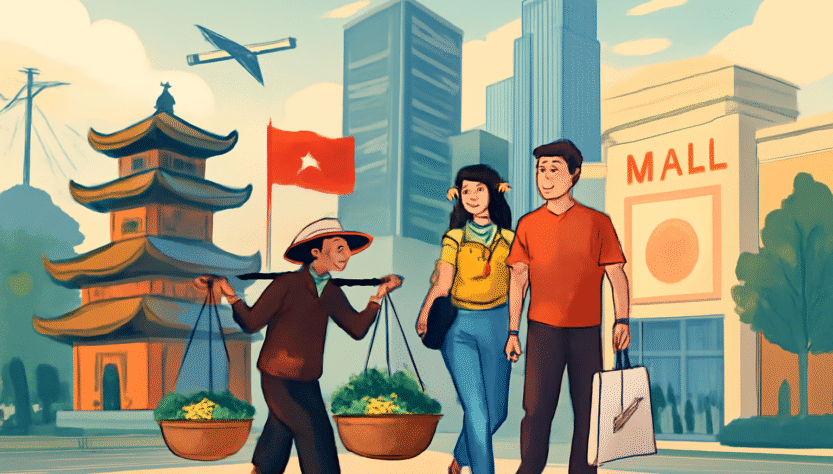
Vietnam, a country that has undergone rapid economic growth and modernization, is experiencing profound changes in its social and cultural fabric. These transformations are largely driven by globalization, which connects Vietnam with the broader global community. As a result, traditional customs are being redefined, and new social norms are emerging in response to the opportunities and challenges posed by global influences.
Urbanization is perhaps the most significant result of globalization in Vietnam. As multinational companies invest in the country and industrialization accelerates, cities like Hanoi and Ho Chi Minh City are seeing tremendous growth. People are migrating to these urban centers from rural areas in search of better job prospects, education, and modern amenities. This shift is not just physical but cultural, as urban areas become more cosmopolitan and reflect a blend of local and global influences.
With globalization has come a shift in consumer behavior. Global brands are becoming increasingly popular in Vietnam, particularly in urban areas. Young consumers, who are more likely to embrace global products, are driving this change. Whether it’s fast food, fashion, or technology, international goods have become an integral part of daily life. This change in consumption patterns reflects a broader shift in values, with younger generations prioritizing convenience and modernity over traditional products and practices.
The social values of Vietnam are also evolving due to globalization. The traditional emphasis on family and collective well-being is being challenged by individualistic values, which emphasize personal success and independence. Younger generations are more likely to prioritize their careers and personal ambitions over familial duties, leading to shifts in family structures and expectations. This cultural change has been particularly noticeable among women, who are increasingly entering the workforce and gaining financial independence.
Education in Vietnam is also evolving to meet the demands of a globalized world. English language proficiency has become a priority, and many students are now seeking international degrees or studying abroad. This focus on global education is helping to create a generation of young people who are not only skilled but also more globally aware. However, this also raises concerns about the potential loss of local cultural identity as younger generations embrace international values and perspectives.
As Vietnam continues to navigate the complexities of globalization, there are challenges to address. The growing disparity between urban and rural areas in terms of economic opportunity and access to modern infrastructure is a major concern. Additionally, the rapid spread of Western culture has raised fears about the erosion of Vietnam’s cultural heritage. Striking a balance between embracing the benefits of globalization and preserving cultural traditions is a key challenge that Vietnam must confront.